What is a Termite Bond?
February 22, 2026
All Real Estate News
February 22, 2026
All Real Estate News
This article provides general information based primarily on the Tallahassee Board of REALTORS® Contract for Sale and Purchase, revised March 2026. Individual transactions may involve different contracts, amendments, addenda, or statutory requirements. This article is not legal advice. Consult a Florida real estate attorney regarding specific contractual rights or disputes.
When buying or selling a home in Tallahassee, you may hear someone ask, "Does the house have a termite bond?"
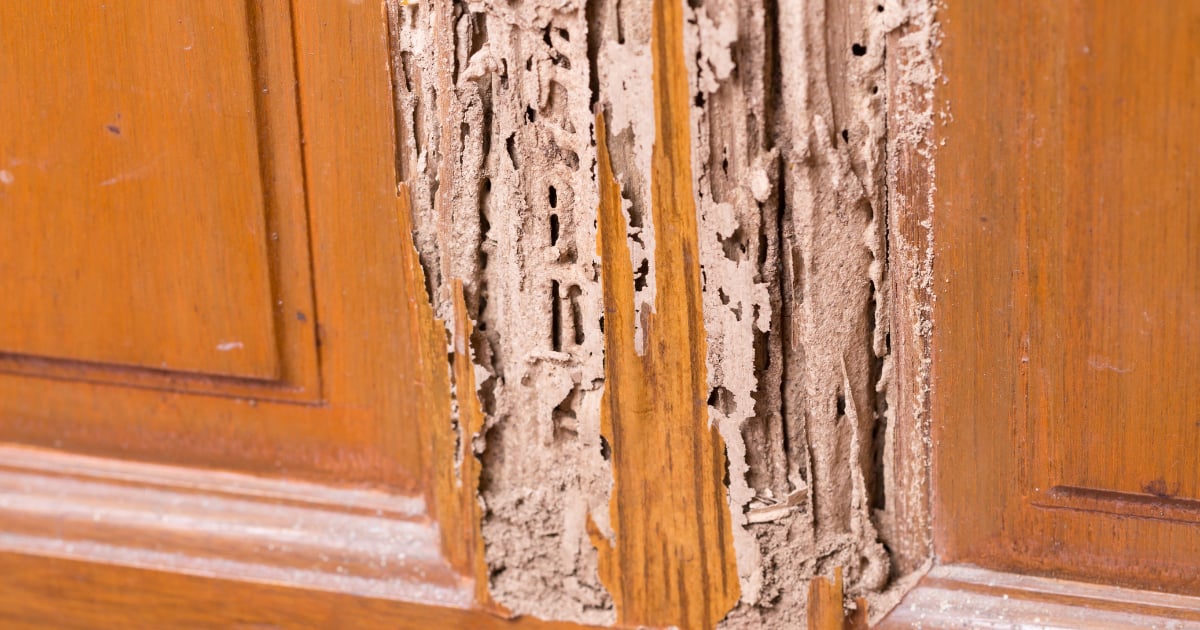
With Florida's warm, humid climate, termites are a common concern for homeowners. A termite bond can provide an additional layer of protection against these wood-destroying pests.
But what exactly does a termite bond cover, and does it transfer when you sell your home?
A termite bond is a service agreement or warranty between a property owner and a licensed pest control company.
Depending on the agreement, it may include ongoing termite monitoring, periodic inspections, preventive treatments, and additional treatment if termites return.
Termite bonds typically require an annual renewal fee to maintain coverage.
Not all termite bonds provide the same protection. In Florida, termite treatment contracts must identify their warranty coverage, which generally falls into three categories:
Coverage may also differ depending on the termite species. For example, a bond covering subterranean termites may not cover drywood termites.
Always review the agreement to understand exactly what is covered, excluded, and required to maintain protection.
Many termite bonds may be transferable to a new property owner, but transfer requirements depend on the agreement and pest control company.
Some companies may require a transfer inspection, paperwork, or additional fees.
Under the standard Tallahassee Board of REALTORS® Contract for Sale and Purchase, the seller is responsible for providing available information about transferable warranties, with the buyer responsible for applicable transfer fees.
No! A Wood-Destroying Organism (WDO) inspection evaluates a property's visible and accessible areas for evidence of termites, other wood-destroying organisms, and related damage.
A termite bond, on the other hand, is an ongoing service agreement that may provide treatment and warranty protection.
Having a termite bond does not guarantee that a property is termite-free, and it should not replace a WDO inspection during the homebuying process.
Learn more about common Tallahassee home inspections.
A termite bond can provide homeowners with valuable ongoing protection and may offer additional peace of mind when purchasing a home.
Before selling or buying a property, determine whether an existing termite bond is active, what it covers, whether it is transferable, and what it costs to maintain.
This article provides general information based primarily on the Tallahassee Board of REALTORS® Contract for Sale and Purchase, revised March 2026. Individual transactions may involve different contracts, amendments, addenda, or statutory requirements. This article is not legal advice. Consult a Florida real estate attorney regarding specific contractual rights or disputes.
Stay up to date on the latest real estate trends.
All Real Estate News
November 11, 2026

All Real Estate News
November 10, 2026

All Real Estate News
November 10, 2026

Local Events
November 7, 2026

Local Events
November 6, 2026

All Real Estate News
November 4, 2026
You’ve got questions and we can’t wait to answer them.