Thanksgiving Table Talk: Home Prices, Foreclosures, and Recession Fears
November 25, 2026
All Real Estate News

November 25, 2026
All Real Estate News
This time of year usually means more time with family and friends. And lately, when everyone gets together, sometimes the conversation has a way of drifting toward real estate.
Your uncle is convinced home prices are about to crash. Your cousin says foreclosures are surging. And before long, someone across the table brings up the possibility of a recession.
If you’ve had any of those same questions, you’re not alone. There’s a lot of noise out there right now. But when you look past the headlines and focus on the data, the picture becomes a lot clearer.
Here’s what sellers and buyers should know.
Let’s start with the big one.
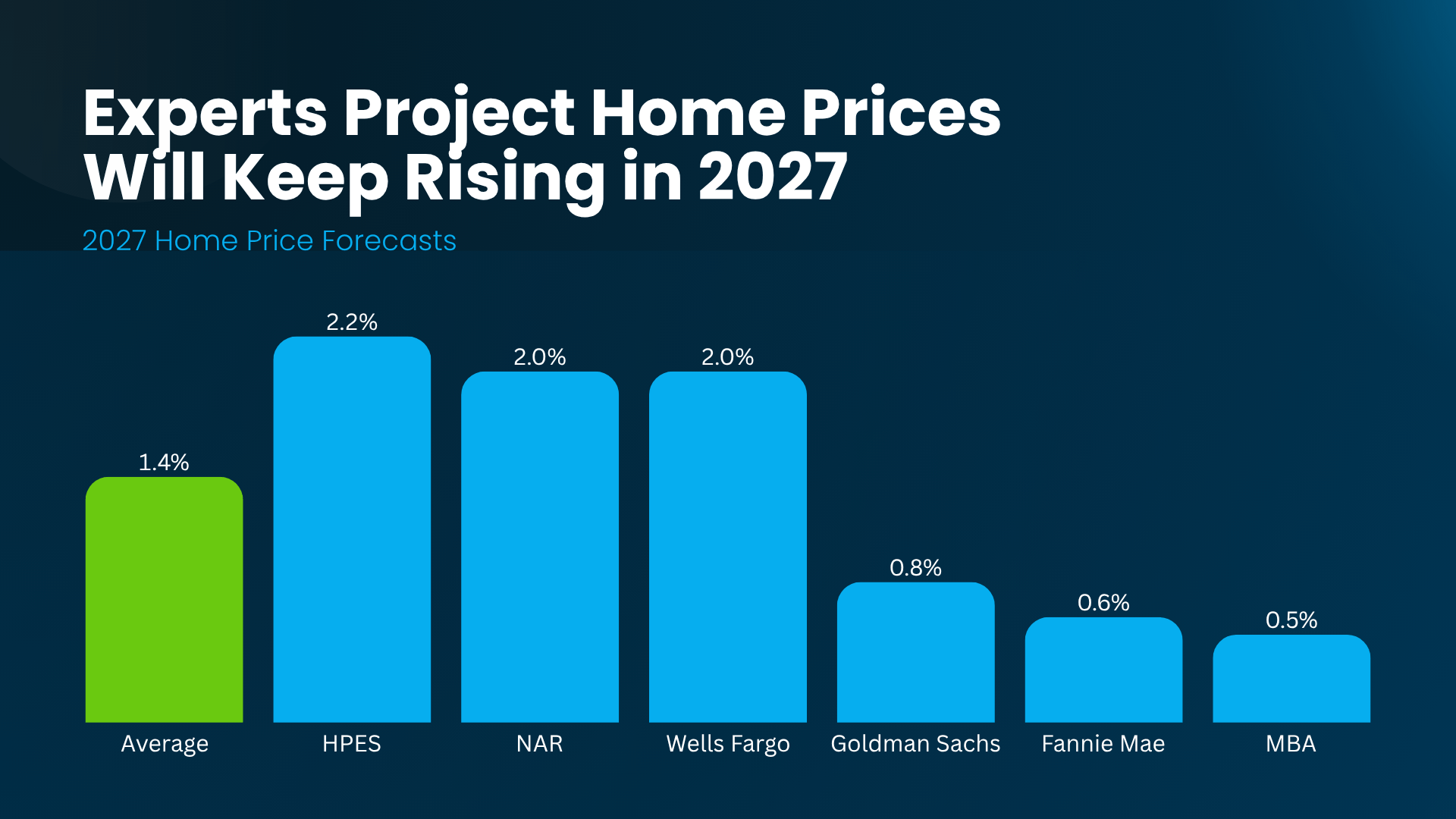
The short answer is no, a housing crash does not appear to be what experts are forecasting nationally. Most projections call for home prices to keep rising in 2027, just at a much slower pace than the dramatic gains we saw in recent years.
That slower pace matters. Slower appreciation is not the same thing as a crash.
Locally, that distinction is important. Tallahassee has seen a more balanced market lately, with more homes for sale, longer days on market, and more price reductions than we saw during the peak frenzy. But a more balanced market is not the same thing as collapsing values.
In fact, recent Tallahassee market reports have shown median sold prices still hovering around the $300,000 range, even as inventory has grown and buyers have become more selective. That suggests the market is normalizing, not falling apart.
So yes, some sellers may need to price more carefully, and some buyers may have a little more room to negotiate than they did a couple of years ago. But that’s very different from a widespread price crash.
It’s also worth remembering that real estate is always local. National headlines can make things sound dramatic, but what’s happening in Tallahassee may look very different from what’s happening in Florida’s larger coastal metros, or other Sun Belt markets that saw heavier new construction.
You may hear stories about price dips in certain parts of the country, especially in some Southern markets with a lot of recent new construction. That doesn’t automatically mean the same thing is happening here in Tallahassee.
Tallahassee tends to behave differently from many large boom-and-bust markets. We’re supported by a mix of state government, the universities, healthcare, and steady local demand. That doesn’t make us immune to change, but it can make our market less volatile than areas that experienced more dramatic run-ups.
For sellers, it means strategy matters more. Pricing correctly, preparing the home well, and marketing effectively matter a lot more in a market where buyers have options.
For buyers, a more balanced market can create opportunity. You may see more choices, fewer bidding wars, and a better chance to negotiate repairs, concessions, or price.
This is another common concern, especially when people start hearing more talk about foreclosures.
Foreclosure activity has increased from the unusually low levels we saw during and immediately after the pandemic. But that does not mean we’re reliving 2008.
It's also important to remember that foreclosure activity dropped to historically low levels during the pandemic, largely because of federal foreclosure moratoriums and mortgage forbearance protections. As those protections ended, foreclosure activity began returning toward more normal levels, making today's increases appear more dramatic when compared to the unusually low numbers of 2020 and 2021.
The housing crash in 2008 was driven by very different conditions, including risky lending, a major credit bubble, and a flood of distressed homeowners with little or no equity. That is not what today’s market looks like.
One of the biggest differences is homeowner equity.
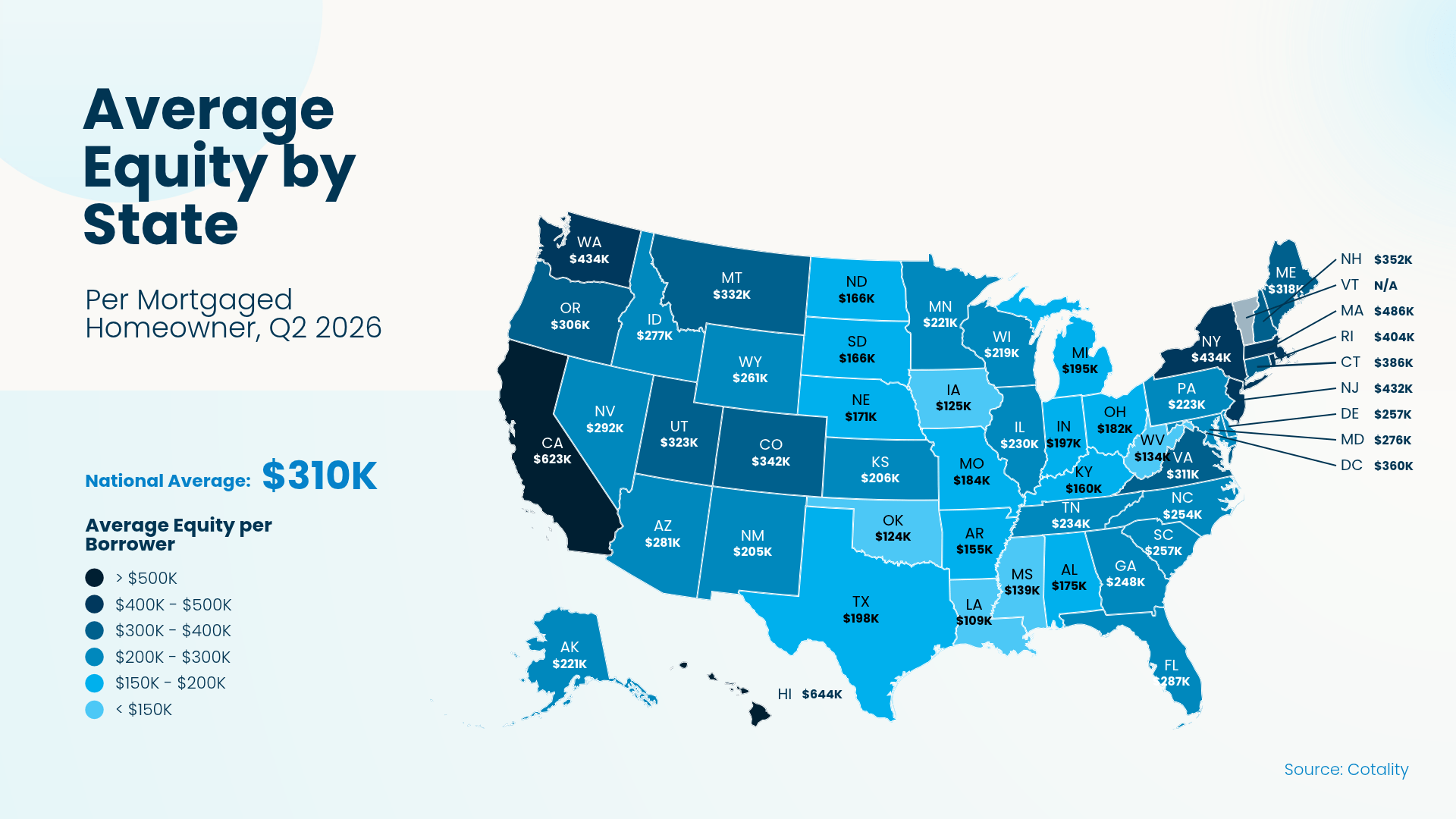
Across the country, homeowners have built substantial equity over the past several years. The graphic you shared shows Florida homeowners with an average of about $287,000 in equity, and the national average at about $310,000. That matters because when homeowners run into financial difficulty, many have the ability to sell rather than immediately slipping into foreclosure.
That’s a major difference from the last housing crash.
The same logic can apply here in Tallahassee. Many local homeowners have owned their homes long enough to build equity, especially after the appreciation we’ve seen since 2020. So while foreclosure headlines may sound alarming, they don’t automatically point to a flood of distressed inventory or a repeat of the last crisis.
Recession talk tends to make people nervous, and understandably so. But even if the economy slows, that does not automatically mean home prices will fall.
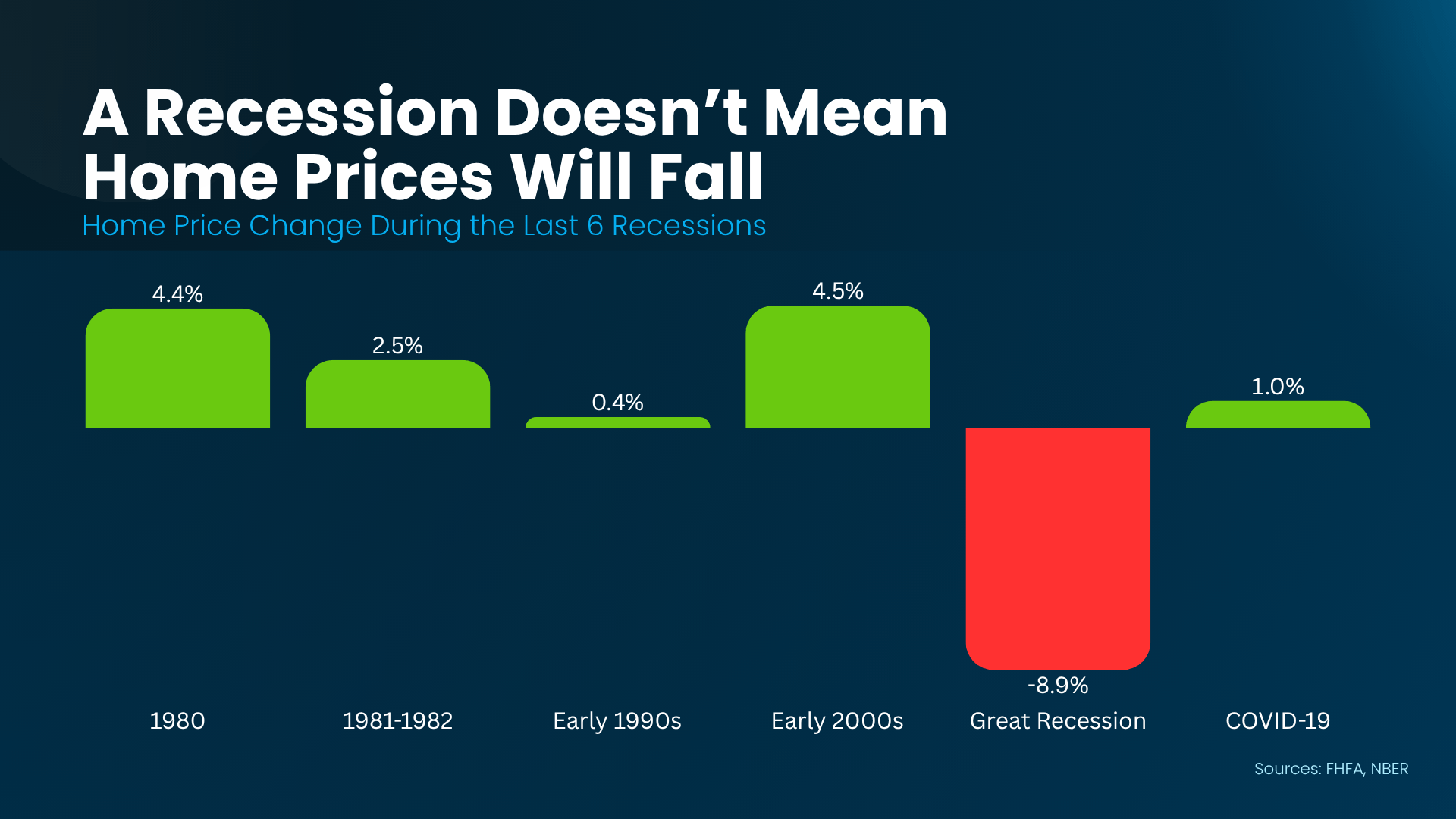
Historically, home prices have actually held up better during recessions than many people expect. As your graphic shows, in five of the last six recessions, home prices rose rather than fell. The big exception was the Great Recession, which was unique because the housing market itself was at the center of that downturn.
That’s an important distinction.
A recession can affect consumer confidence, hiring, interest rates, and homebuyer demand. It can slow the market down. It can also shift negotiating power. But it does not automatically trigger a housing crash.
Here in Tallahassee, a recession would likely have a mixed impact. Some sellers may choose to wait. Some buyers may pause their plans. But others may still need to move because of job changes, family needs, downsizing, upsizing, or life events that don’t stop for the economy.
That’s why local market conditions matter so much more than broad assumptions.
If you’re a seller, today’s market still offers opportunity, but it usually requires a more realistic strategy. Buyers are paying attention to condition, price, interest rates, and monthly payment. The homes that stand out tend to be the ones that are well-prepared, well-priced, and well-marketed.
If you’re a buyer, this market may actually offer some advantages compared to the ultra-competitive environment of the past few years. More inventory and longer market times can mean more breathing room, more negotiating power, and more options.
In other words, this is less of a panic market and more of a strategy market.
So, the next time your uncle predicts a crash, your cousin brings up foreclosures, or someone at dinner starts talking about a recession, you’ll know what to say.
Home prices are not projected to crash nationally. Tallahassee’s market appears to be rebalancing, not collapsing. Foreclosures may be up from historic lows, but this is not shaping up like 2008. And even if the economy slows, history shows a recession does not automatically mean home prices will fall.
Stay up to date on the latest real estate trends.
All Real Estate News
November 25, 2026

All Real Estate News
November 24, 2026

All Real Estate News
November 23, 2026
All Real Estate News
November 20, 2026
All Real Estate News
November 19, 2026

All Real Estate News
November 19, 2026
You’ve got questions and we can’t wait to answer them.