Why Price Cuts Are Showing Up More Often and What It Means
October 5, 2026
All Real Estate News
October 5, 2026
All Real Estate News
Price cuts are showing up more often in housing headlines right now. Depending on which side of the transaction you're on, that can sound either concerning or encouraging.
For sellers, a price reduction can feel like giving something up. For buyers, it can raise questions about whether something is wrong with the house.
But a price cut doesn't automatically mean either of those things.
More often, it means the market has changed faster than the listing has. Getting the price right has become increasingly important.
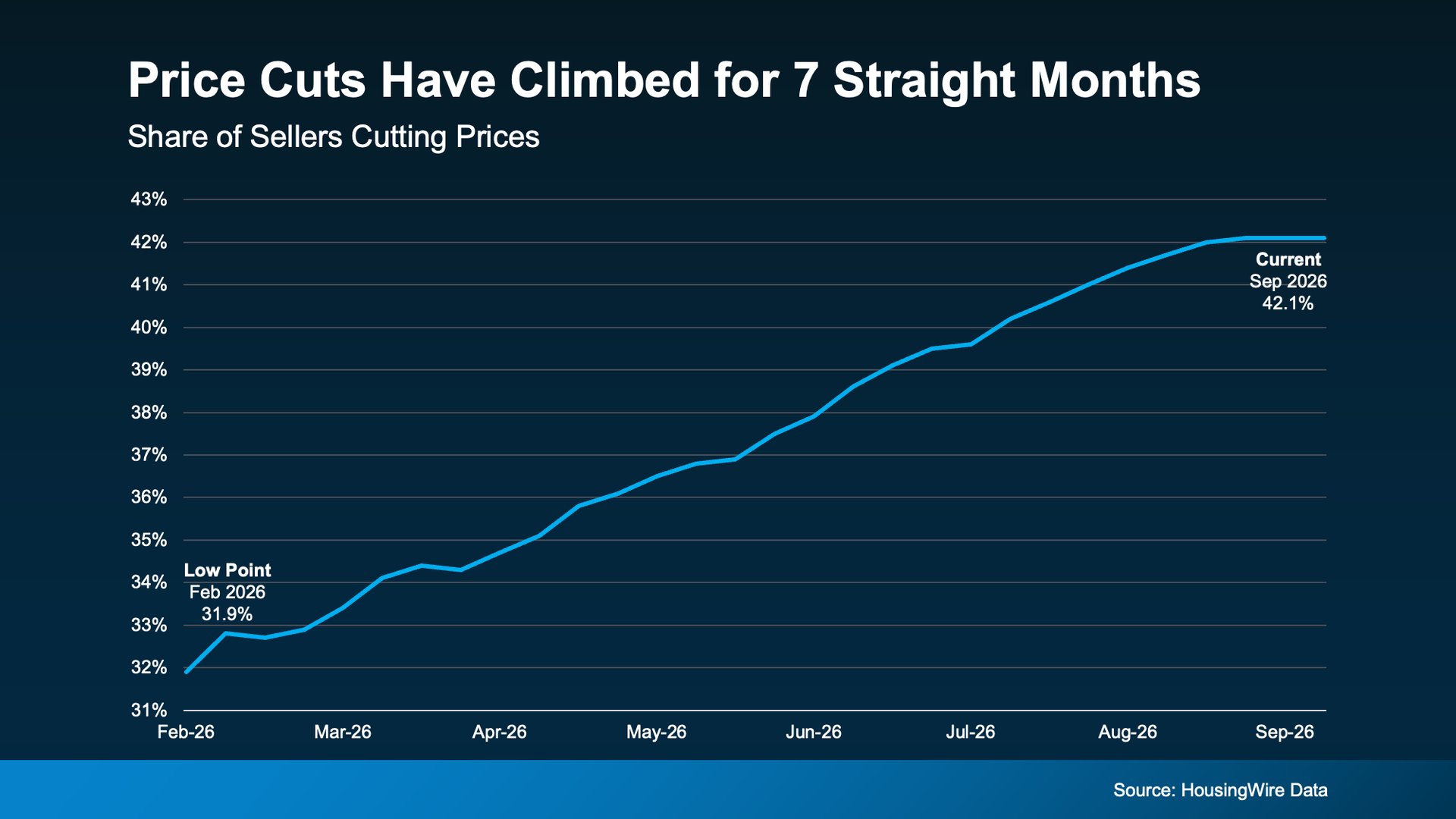
According to HousingWire Data, the share of active single-family listings with a price reduction reached about 42.1% in September 2026, after climbing for seven straight months.
That's more than 4 out of every 10 listings.
Higher borrowing costs remain part of the equation. Buyers are also facing higher home prices, insurance costs, taxes and other expenses associated with homeownership. When affordability gets stretched, buyers tend to become more selective about both the house and the price.
For sellers, that means a home can be attractive, well maintained and properly marketed, but still struggle if buyers don't see enough value compared with the other homes available.
Yes and no.
Tallahassee-area MLS data shows signs of a slower, more price-sensitive market, but it does not show that local home prices have simply fallen across the board.
For residential properties, September 2026 compared with September 2025 shows:
Source: Tallahassee-area MLS residential market statistics, September 1-30, 2025 and September 1-30, 2026.
Those numbers tell a more interesting story than simply saying prices are going up or down.
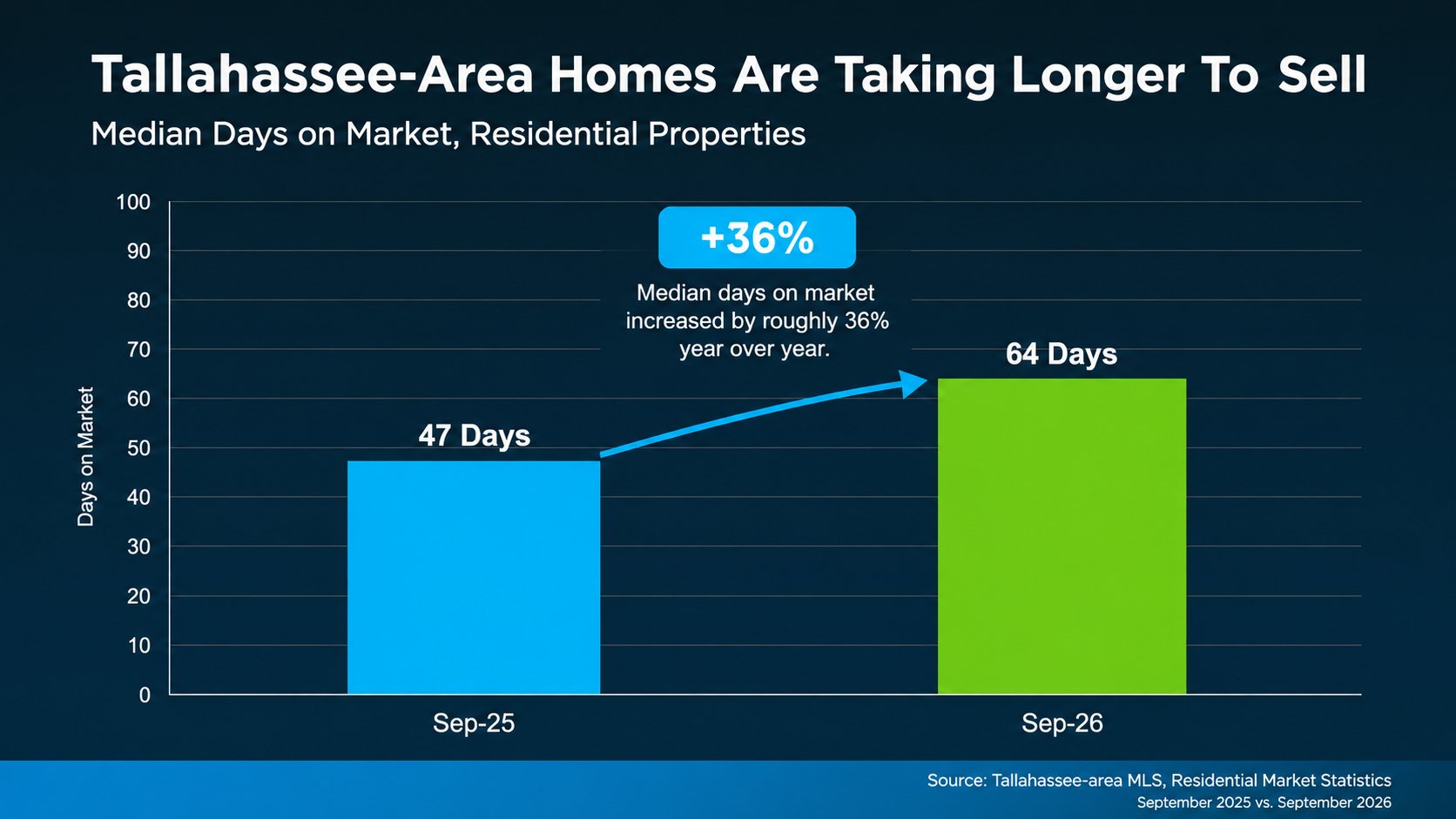
Tallahassee-area home prices held up year over year, but homes took considerably longer to sell. Sales activity also declined more than listing activity did.
For sellers, that means getting the price and positioning right has become more important. For buyers, it means more time to compare available homes and, in some situations, more room to negotiate.
This distinction is important.
If the median Tallahassee-area home sold for more in September 2026 than it did a year earlier, how can sellers also be feeling more pressure on price?
Because home value and asking price aren't the same thing.
A seller may own a home that's worth more than it was a year ago and still initially list it above what today's buyers are willing to pay.
Imagine comparable homes are selling around $400,000, but a property comes to market at $425,000. If buyers consistently pass it over and the seller eventually reduces the price to $405,000, that doesn't necessarily mean the home's market value suddenly dropped $20,000.
It may simply mean the original asking price was ahead of the market.
And when homes are taking longer to sell, sellers receive that feedback more slowly. Instead of realizing within the first weekend that the market isn't responding, it may take several weeks before the pattern becomes obvious.
That's why pricing correctly from the beginning becomes particularly important in a slower market.
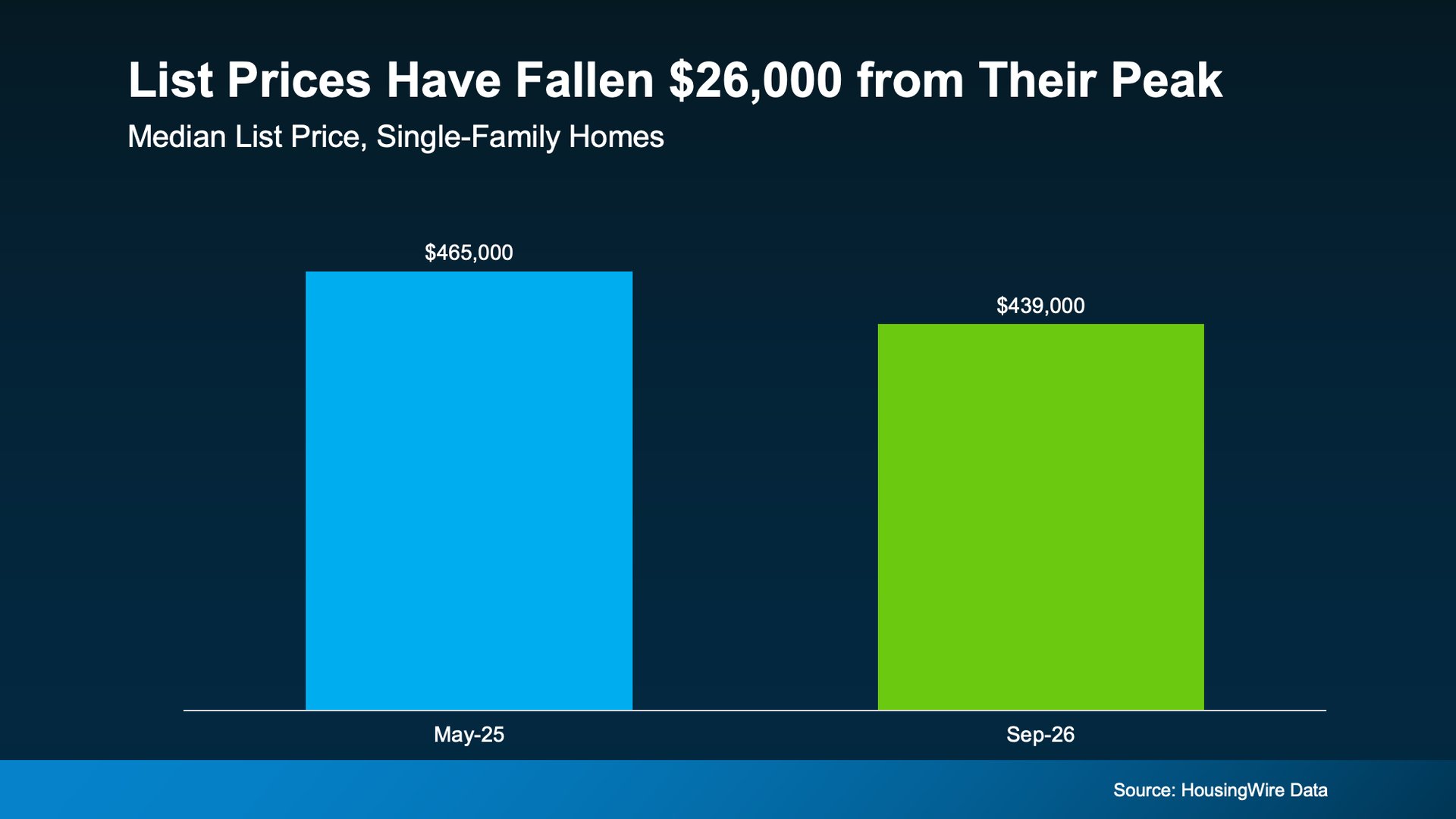
HousingWire Data also shows that the national median list price for single-family homes has come down from its recent peak.
The median asking price was about $465,000 in May 2025 compared with $439,000 in September 2026, a $26,000 difference.
Some of that movement is seasonal. Asking prices commonly soften as the market moves away from the spring and summer selling seasons.
But it also reflects sellers responding to what buyers can actually afford.
Tallahassee is an important reminder that national price trends don't always translate directly to the local market.
Our local September numbers don't show the same year-over-year decline in sale prices. The median residential sale price actually increased from $287,450 to $295,000.
What has changed noticeably is how long it's taking to get those homes sold.
For sellers, that doesn't necessarily mean assuming a home is worth less. It does mean paying close attention to current competition, recent comparable sales and how buyers respond once the property hits the market.
Another national statistic has been getting a lot of attention.
Redfin estimates that there were approximately 58% more home sellers than buyers nationally in August 2026, the widest gap in its records going back to 2013.
That imbalance helps explain why sellers in many parts of the country are facing more competition for buyer attention.
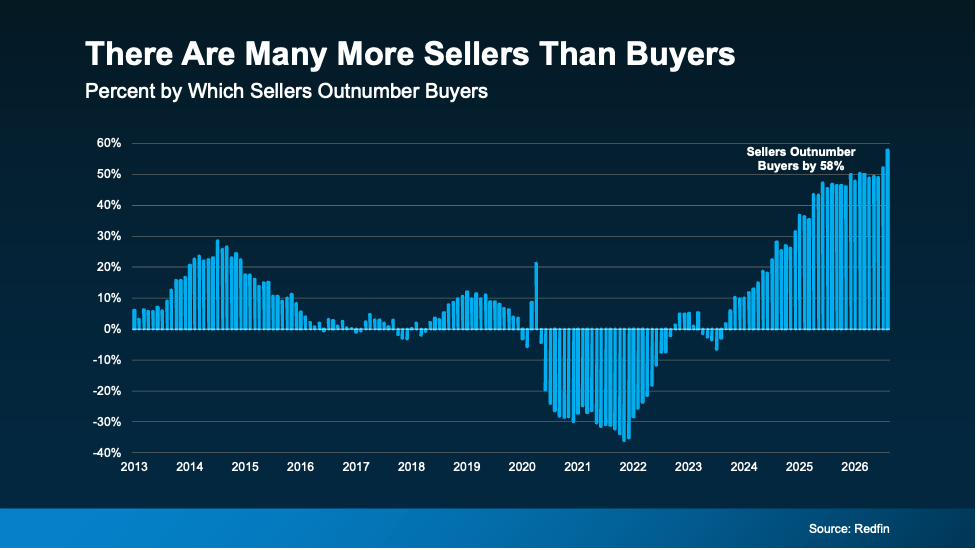
But there's an important caveat for anyone reading that chart in Tallahassee:
The 58% figure is a national Redfin estimate. It is not a Tallahassee statistic.
Our local MLS numbers do, however, show some of the same effects you'd expect when sellers face more competition for active buyers.
Homes are taking longer to sell. Closed sales are down year over year. And the average home is selling slightly farther below its asking price than it was a year ago.
That's enough to change the conversation for sellers and buyers, even if Tallahassee isn't experiencing the same seller-to-buyer imbalance as some of the country's largest markets.
For sellers, the takeaway isn't that you need to price your home low.
It's that pricing too high has become harder to get away with.
When buyers have time to compare several properties, they notice differences quickly. They can see which homes have been sitting, which have already reduced their prices and which appear to offer the best value.
A house that's positioned correctly from the beginning can still attract serious buyers and achieve a strong sale price. But a home that starts noticeably above the competition may accumulate days on market before the seller makes an adjustment.
And those extra days matter.
Buyers can start wondering why a property hasn't sold, even when the explanation is simply that it started at the wrong price.
Sometimes a price adjustment is exactly what puts a good house back in front of the right buyers.
For buyers, more negotiating room doesn't mean every seller is ready to accept a dramatically lower offer.
The local numbers don't support that conclusion.
September's median Tallahassee-area sale price was actually higher than it was a year earlier, and homes were still selling at an average of 96.75% of their asking price.
But buyers generally have more opportunity to slow down and evaluate the complete transaction.
A home that's been on the market for several weeks may offer an opportunity to discuss price, closing costs, repairs, financing terms or timing. A property that has already had a price reduction may indicate that the seller is responding to market feedback.
On the other hand, a well-priced home in a desirable location can still attract competition.
That's why the number of days a property has been available, recent comparable sales, prior price changes and competing inventory matter just as much as the asking price itself.
There's another reason to be careful with broad housing headlines.
Tallahassee isn't one market.
Conditions can vary considerably by neighborhood, property type, condition and price range. A seller with an entry-level detached home may experience very different demand than a seller with a $700,000 property.
The same is true for buyers. Competition and negotiating leverage can look very different depending on the neighborhood, price point and type of property they're searching for.
Two homes located only a few miles apart can experience very different results depending on pricing, condition, updates, schools, lot characteristics and the amount of competing inventory available at that moment.
That's why national statistics are useful for understanding the bigger picture, but local MLS data and property-specific comparable sales matter much more when it's time to make an actual decision.
Price reductions are becoming increasingly common nationally, but Tallahassee's story is more nuanced.
Local residential prices held up in September, with the median sale price rising from $287,450 in September 2025 to $295,000 in September 2026.
At the same time, median days on market jumped from 47 to 64 days, closed sales declined, and homes sold at a slightly smaller percentage of their asking price.
For sellers, that means pricing and positioning matter more than ever. Today's buyers have more time to compare your home with the competition, and starting too high can mean chasing the market later.
For buyers, it means more opportunities to negotiate, particularly on homes that have been available for a while. But it doesn't mean every seller is desperate or every home is overpriced.
The market has simply become more selective.
And whether you're selling or buying, understanding what's happening in the specific Tallahassee neighborhood and price range you're dealing with matters a whole lot more than any national headline.
Stay up to date on the latest real estate trends.
All Real Estate News
October 5, 2026

All Real Estate News
October 5, 2026

All Real Estate News
October 2, 2026

All Real Estate News
October 1, 2026

All Real Estate News
September 30, 2026

All Real Estate News
September 29, 2026
You’ve got questions and we can’t wait to answer them.