Video Update
Full Report
Welcome to this month's real estate market update, where we separate the headlines from the hype. We'll tackle some of the market's hottest topics, and answer the questions everyone's asking.
The Rise in De-Listings
If you've been following real estate news lately, you've probably noticed a flood of headlines about homeowners pulling their properties off the market. So... are sellers waving the white flag?

Here's our take: de-listings aren't actually the problem. They're more like a symptom of the underlying problem.
De-listings are happening, but the real story isn't that sellers are throwing in the towel. It's why they're choosing to hit pause. That's where things get interesting.
A recent Redfin study offered some fascinating insight into what's really happening with today's sellers.
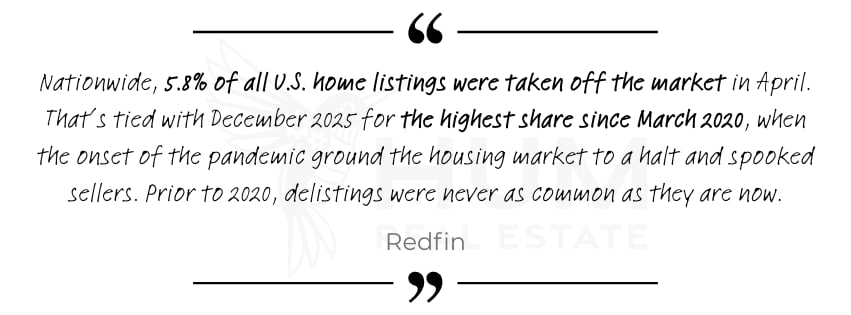
The pandemic brought the housing market to a standstill. Before 2020 de-listings were nowhere near as common as they are now.
The real issue is that many are entering the market with yesterday's expectations in today's market.
Redfin points to three major reasons behind the rise in de-listings: more competition, price expectations, and time on the market.
More Competition
For the first time in years, inventory has been steadily growing. In fact, it's been increasing for four straight years.
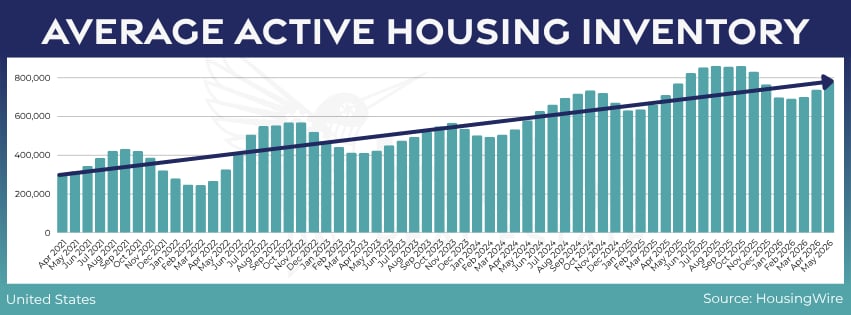
We depleted inventory all across the country during and after the pandemic, and we've been building back ever since. Many sellers are now competing with several similar homes down the street. Buyers suddenly have options, and they're negotiating again. That increased competition among sellers means some homes sit unsold, prompting owners to pull them off the market rather than cut their price.
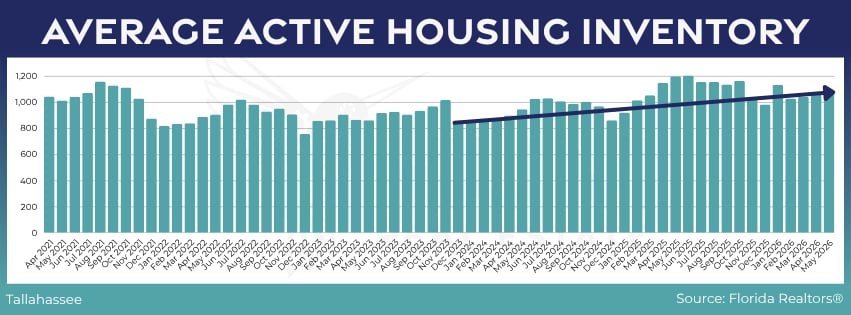
However, we cannot stress enough that real estate is hyperlocal. Tallahassee is only recently seeing that same trend in increasing inventory since the pandemic. That means we stayed competitive longer, but are finally catching up to the broader trend.
Price Expectations
Let's be honest... 2021 and 2022 spoiled everybody. Homes were selling in a weekend with multiple offers, over asking price, and some sellers are still expecting that kind of magic. But that was all caused by extraordinary, possible once in a lifetime, circumstances.
Today's market has changed. Pricing a home based on what your neighbor got three years ago is simply not going to work.
Here’s a great example of seller’s expectations right now:
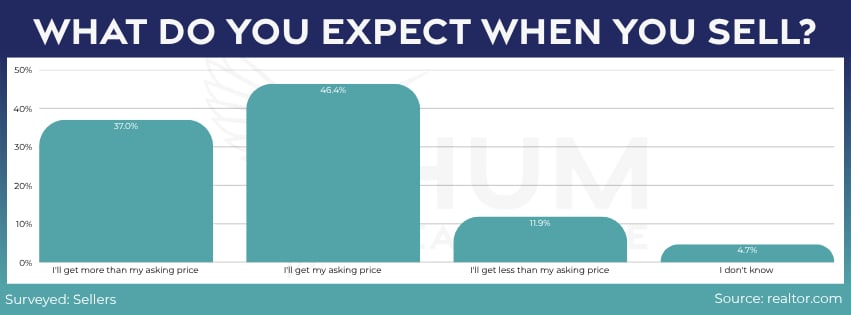
According to realtor.com, 80% of sellers think they'll get their asking price or more.
The reality?
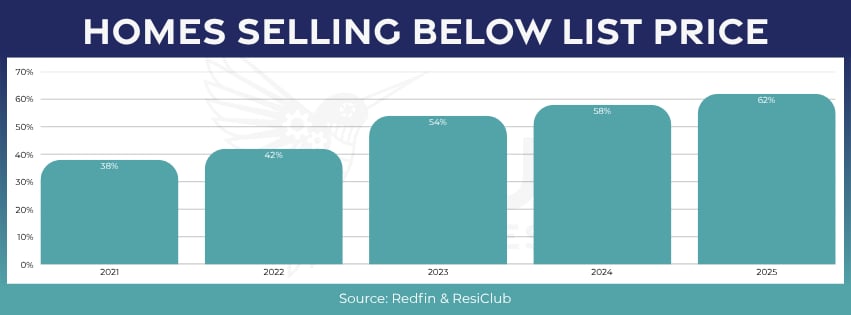
62% of all homes sold were sold less than the asking price.

When a seller doesn't have a strong reason to move, or maybe doesn't understand how today's market is working, they're much more likely to hit the pause button instead of adjusting their strategy.
Time on the Market
Homes are simply taking longer to sell in many markets across the country. That doesn't mean they're not selling, it just means patience and strategy have replaced the "list it Friday, sold by Monday" playbook.
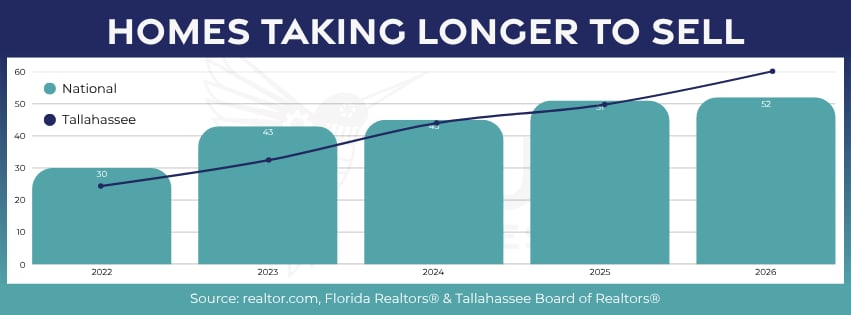
Locally and nationally, we are at 50+ days on market (how long it takes for a home to sell). Another sign we are returning to the pre-pandemic, more normal, more historical benchmarks.
Market Shift
Here's the takeaway: de-listings are a symptom, not the disease.
The market hasn't stopped. It has simply shifted. The sellers who understand that shift are the ones who are finding success.
What's Ahead for 2026?
Between economic uncertainty, shifting rates, and headlines that seemed determined to terrify rather than clarify, 2026 has been... a lot.
The good news? As we head into the second half of the year, there's reason to hope for a little more stability. If global tensions begin to ease, we can be more optimistic that the back half of 2026 will be a bit calmer.
So, what should sellers and buyers actually be watching?
What’s Ahead for Inventory?
Inventory growth appears to be leveling off.

If you look at the year-over-year inventory chart, you can see why.
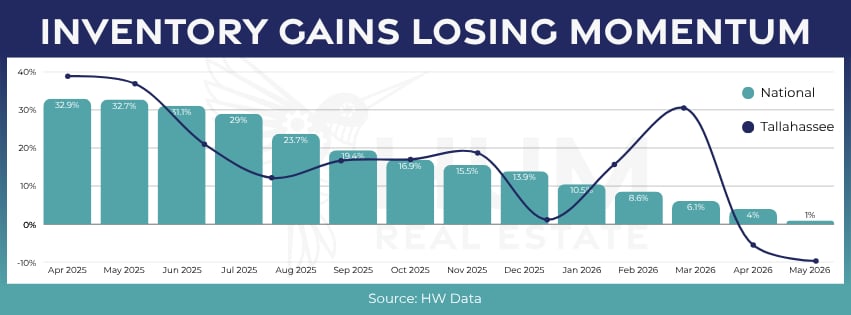
This backs up the idea that homeowners are thinking, "If I don't absolutely have to move... maybe I'll just stay put."
And honestly, can you blame them? Trading a 3% mortgage for one that's closer to today's rates isn't exactly an easy sell.
The result? Fewer new listings are entering the market, and inventory growth is beginning to plateau.
Today's housing market isn't just about supply and demand. It's about motivation. Sellers with a strong reason to move are still making moves. Those without one are saying, "We'll revisit this next year."
What’s Ahead for Home Prices?
If you've spent any time on social media lately, you've probably seen someone confidently declaring, "Home prices are crashing!" Here's what the data actually says.
Most national forecasts for 2026 are calling for modest home price growth.
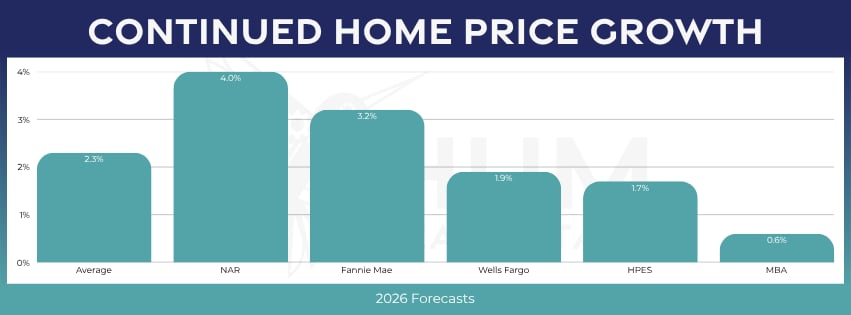
The current consensus is that prices will finish the year up around 2.3% nationally.
In fact, National Association of REALTORS® Chief Economist Lawrence Yun estimates that the typical homeowner could gain around $16,000 in housing wealth in 2026 through continued appreciation.
The bottom line? While the days of double-digit price jumps are likely behind us, the data doesn't currently point to a nationwide decline in home prices.
What’s Ahead for Mortgage Rates?
Most experts are forecasting rates to stay fairly steady through the rest of 2026, landing somewhere around 6.3% to 6.4%.
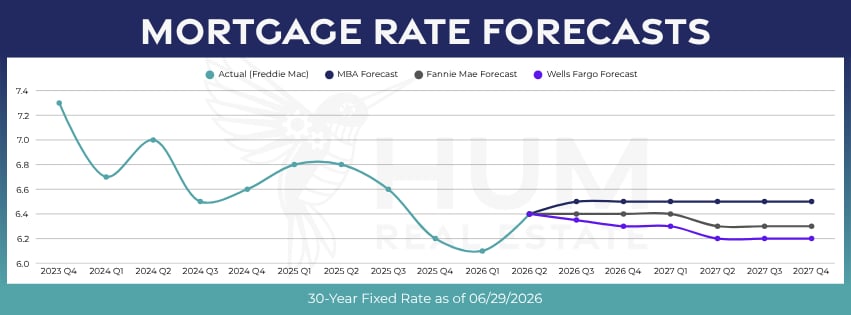
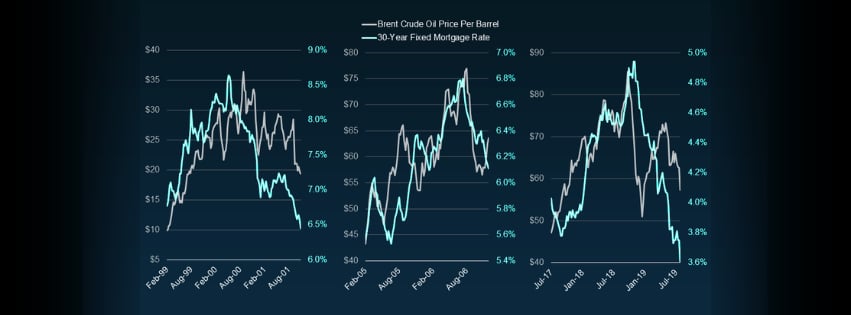
But here's where things get interesting… This could all change because of something you probably don't think about when house hunting: oil prices.
When oil prices rise, transportation and shipping costs tend to increase, which can contribute to higher inflation. And inflation is one of the biggest factors influencing the bond market, which helps determine mortgage rates.
The hope is that oil prices trend downward.
But, don’t forget the old saying in real estate: Mortgage rates take the elevator up, and the stairs back down. In other words, they rise quickly but usually decline much more gradually.
The headlines you read about inflation usually describe what already happened. Financial markets, however, are constantly trying to predict what happens next.
If investors believe inflation is likely to cool because energy prices fall, mortgage rates can begin responding before those changes show up in the monthly inflation reports.
History gives us a reason to watch this closely. Similar patterns played out in 1999–2000, 2005–2006, and 2018–2019, when oil prices climbed, then eased, and mortgage rates followed a similar path.
What’s Ahead for Home Sales?
Buyers are starting to say yes again.
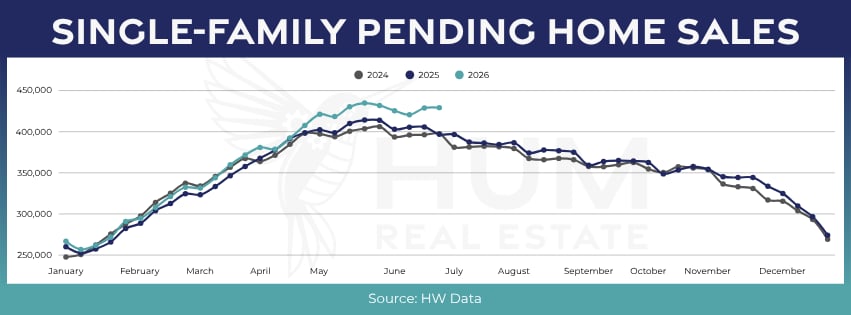
When we look at single-family pending home sales, 2026 is tracking ahead of previous years, despite all the obstacles buyers have faced: higher mortgage rates, affordability challenges, and a lot of uncertainty.
That's important. Because for a market to improve, buyers have to stop waiting for the "perfect" moment, and start making decisions based on the market that's actually in front of them.
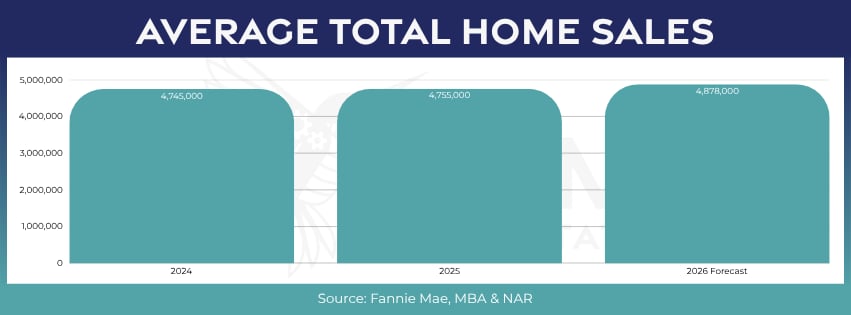
The National Association of REALTORS® is projecting that home sales should be modestly stronger in the second half of 2026, and that lines up with what we're seeing in the market.
Bottom Line
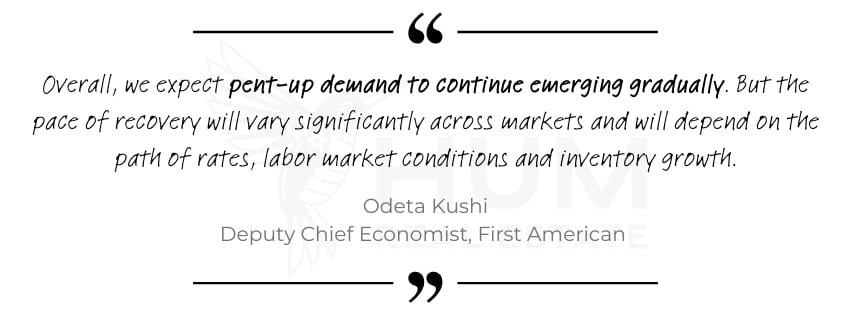
The housing market may not be sprinting, but it does appear to be walking in the right direction.
And after the roller coaster ride of the last few years, a steady walk forward might be exactly what the market needs.