Hurricane Season in North Florida: Is Your Home Ready?
July 14, 2026
All Real Estate News
July 14, 2026
All Real Estate News
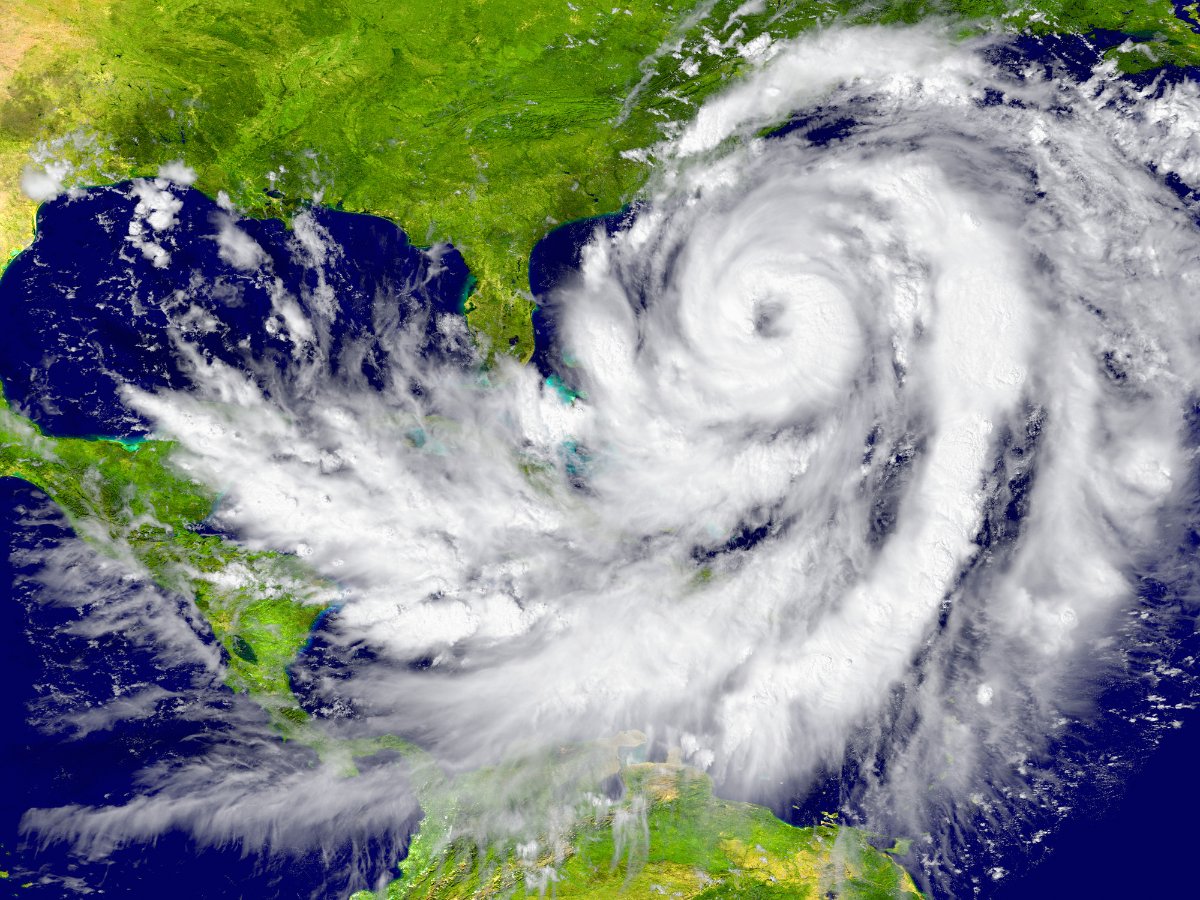
Hurricane season runs from June 1 through November 30, and while Tallahassee may be more than 20 miles inland, we've learned over the years that we're far from immune to tropical weather.
From Hurricane Hermine in 2016 to Hurricane Idalia in 2023, North Florida has experienced powerful winds, torrential rain, widespread power outages, and fallen trees that have impacted thousands of homeowners.
The good news? A little preparation now can make a big difference if a storm heads our way.
Meteorologists are expecting another active Atlantic hurricane season this year. While it's impossible to know exactly where storms will make landfall months in advance, it only takes one storm affecting our area to cause significant damage.
The most important thing to remember is that forecasts predict the overall activity of the season (not whether your neighborhood will be impacted).
That's why preparedness matters every year.
One of the biggest mistakes homeowners make is waiting until a tropical system is already approaching before they begin preparing.
Instead, take advantage of the calm days to:
Completing these tasks now is much easier than competing with everyone else once watches and warnings are issued.
Hurricane season is also a great reminder to review your insurance coverage.
Take a few minutes to:
If you have questions about your coverage, your insurance agent can help explain what's included before you ever need to file a claim.
One of the easiest (and most overlooked) steps is creating a record of your home's current condition.
Walk through your home with your phone and record:
Store the photos and videos somewhere secure, such as cloud storage, so they're available even if your devices are damaged.
Real estate doesn't stop because it's hurricane season.
If you're buying a home, it's a good time to:
If you're selling, taking care of routine maintenance now can help reassure prospective buyers that your home has been well cared for.
Keeping gutters clean, trimming trees, addressing drainage concerns, and maintaining the exterior all contribute to a home's overall presentation.
If you own a second home, rental property, or vacant lot, make plans for someone to check on it after severe weather.
If you'll be traveling, ask a trusted friend, neighbor, or property manager to inspect the property and report any damage as soon as it's safe.
Preparation is much easier when you have a plan.
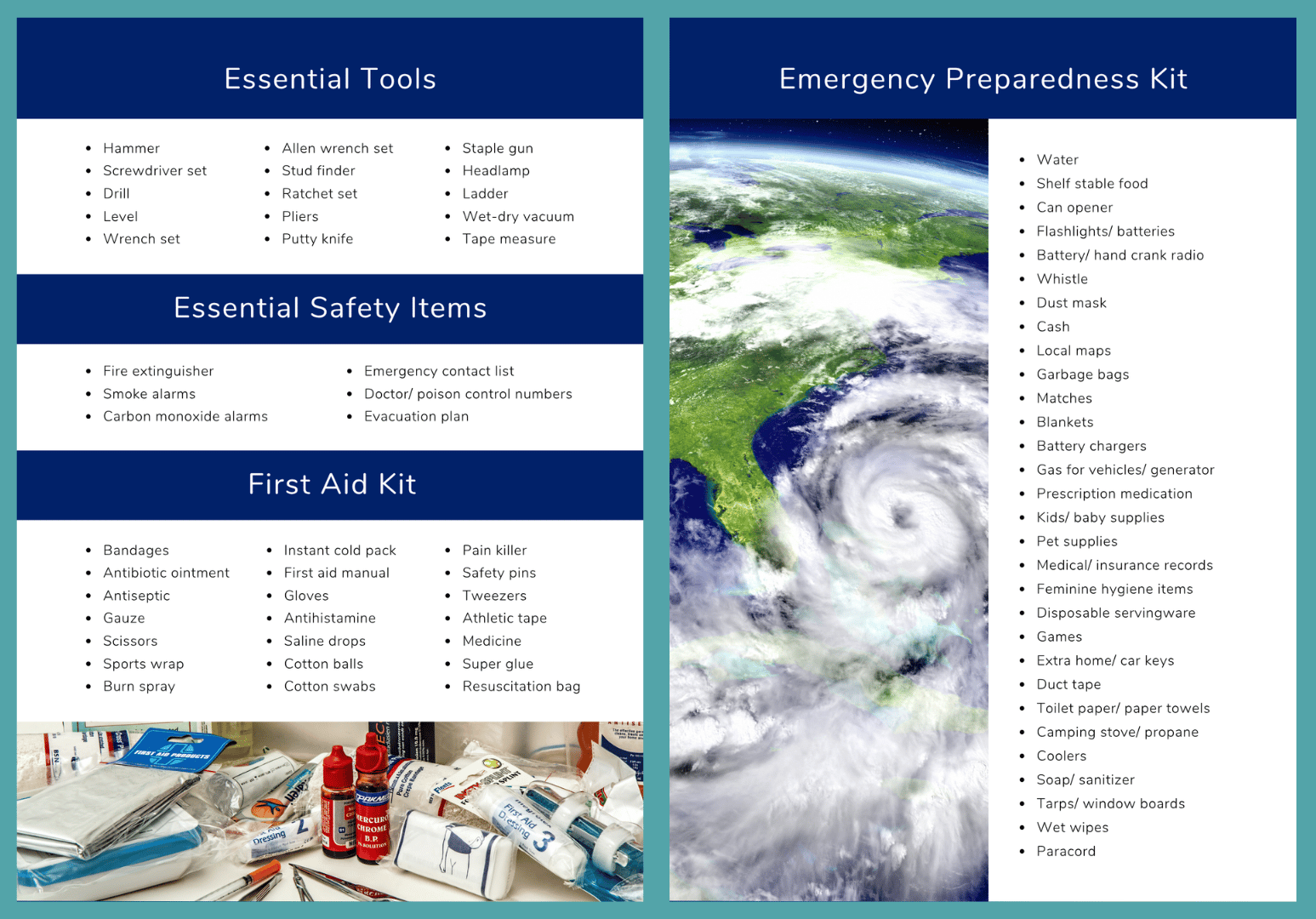
In our Homeowners Maintenance Guide, we have all the helpful checklists to help homeowners stay organized before, during, and after a storm. Whether you're preparing your home, gathering emergency supplies, or reviewing your insurance information, these checklists are designed to make the process a little less stressful.
No one knows exactly what this hurricane season will bring, but we do know that preparation is one of the best investments you can make as a homeowner.
Taking a few hours now to inspect your property, review your insurance, document your belongings, and gather supplies can save time, money, and frustration later.
We hope you never need your hurricane preparedness checklist, but, if you do, you'll be glad you took the time to get ready.
Stay safe, stay prepared, and here's hoping for a quiet hurricane season.
Stay up to date on the latest real estate trends.

All Real Estate News
August 24, 2026

All Real Estate News
August 21, 2026

All Real Estate News
August 20, 2026

All Real Estate News
August 19, 2026
All Real Estate News
August 18, 2026

All Real Estate News
August 17, 2026
You’ve got questions and we can’t wait to answer them.